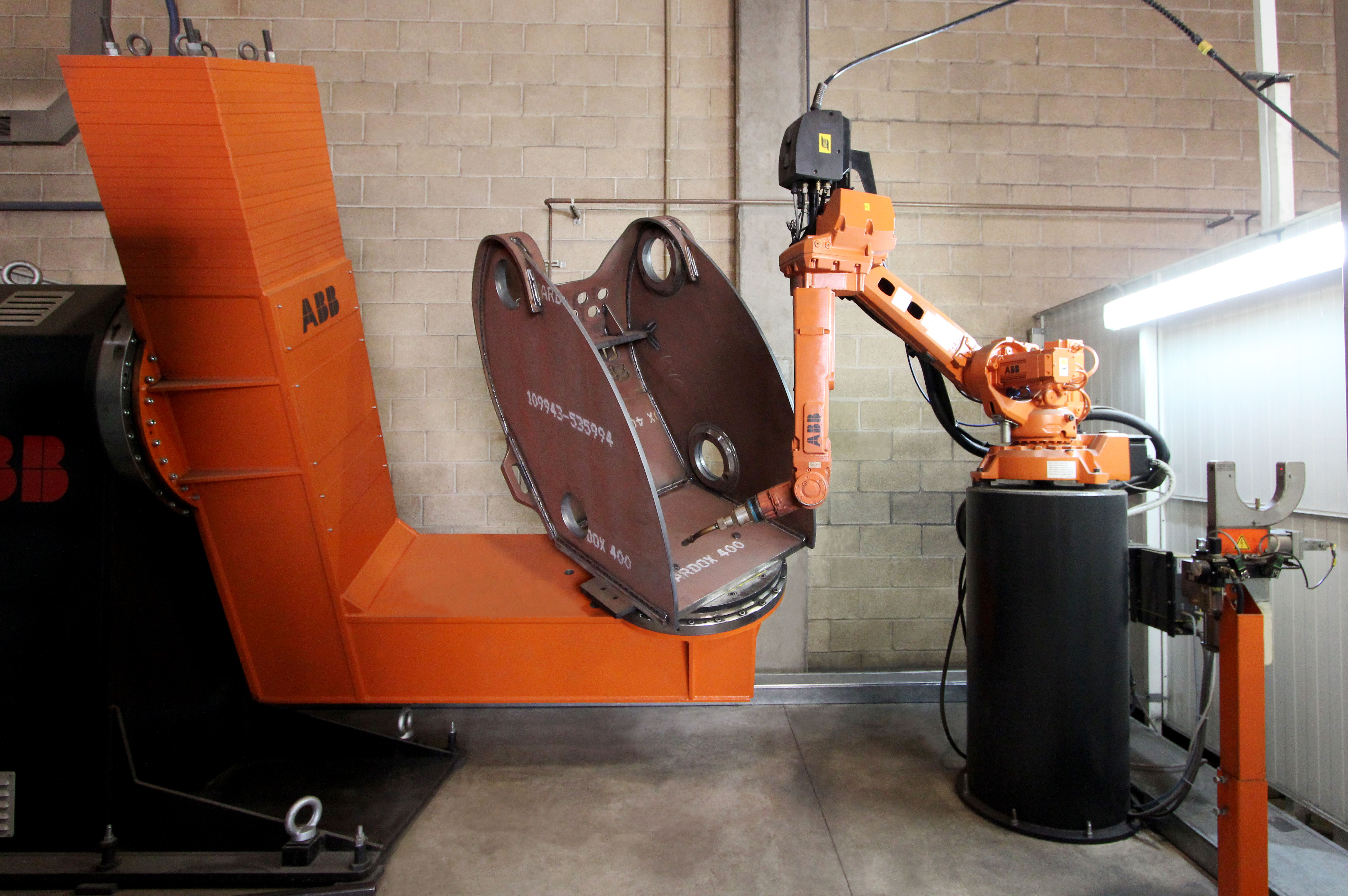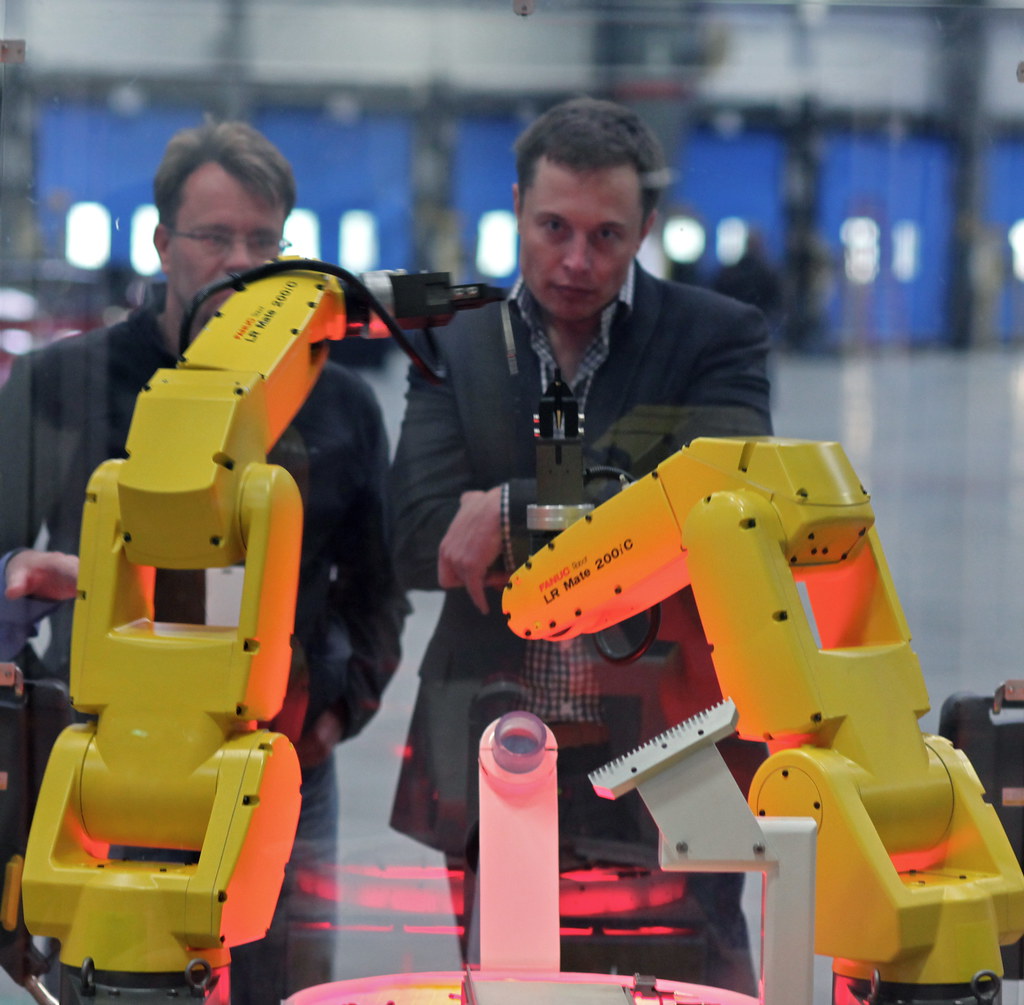
A faster arm is not automatically a more productive factory. Time spent maintaining the robot, accommodating its tool and waiting for the surrounding process can outweigh shorter motions. FANUC's new R-2000/E series addresses several of those constraints in the same industrial platform.
FANUC Europe announced the redesigned series on September 30. It describes battery-less encoders, increased wrist capacity and eight variants, including rack-mounted and extended-reach configurations. These are product changes that affect cell design and maintenance planning, not evidence that every installation will achieve the same savings. FANUC's launch account.
Maintenance changes have a direct operational meaning
Eliminating encoder battery replacement removes a recurring maintenance item. It does not eliminate servicing, calibration work or the need to diagnose other faults. The benefit depends on the customer's existing maintenance schedule and how many interruptions that task currently causes.
A higher allowable wrist load can also change which end-of-arm tools a robot can use. Tool mass alone is insufficient: the tool's shape, inertia and load offset affect permitted motions. A proposed replacement therefore needs its actual gripper, cables and part combination checked against the new model's limits.
Test the complete cycle
FANUC reports up to 20 percent faster operating speeds and 10 percent shorter cycle times than previous models. The announcement does not supply a complete task protocol, tooling configuration or customer production denominator for those headline comparisons. They should inform a test plan rather than be inserted directly into a plant's throughput forecast.
The immediate opportunity is to evaluate a cell with the intended variant and complete process sequence, including machine waits, safety zones and material presentation. A motion improvement only raises output when it shortens the bottleneck. Otherwise, lower servicing effort or greater tooling flexibility may be the more important benefit.
The longer-term case rests on productive hours and maintenance cost over the service life. The next useful evidence is a customer comparison that identifies its old and new configuration, planned production time, stoppages and accepted parts. That would show where the redesigned platform improves the factory rather than just the robot.
Sources & evidence
Sources describe the announcements and evidence available when this analysis was published. Company claims are attributed; plans and trials are not treated as sustained operation.