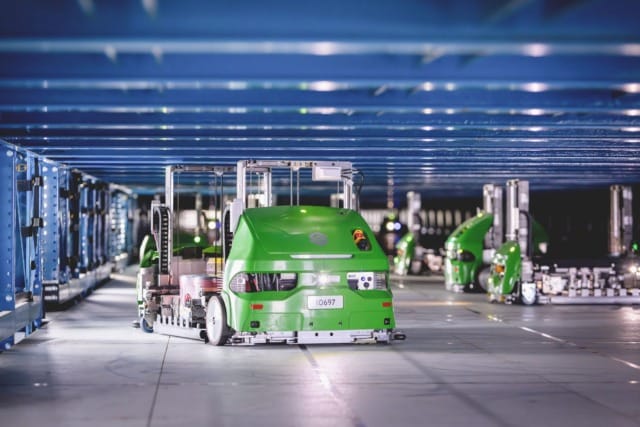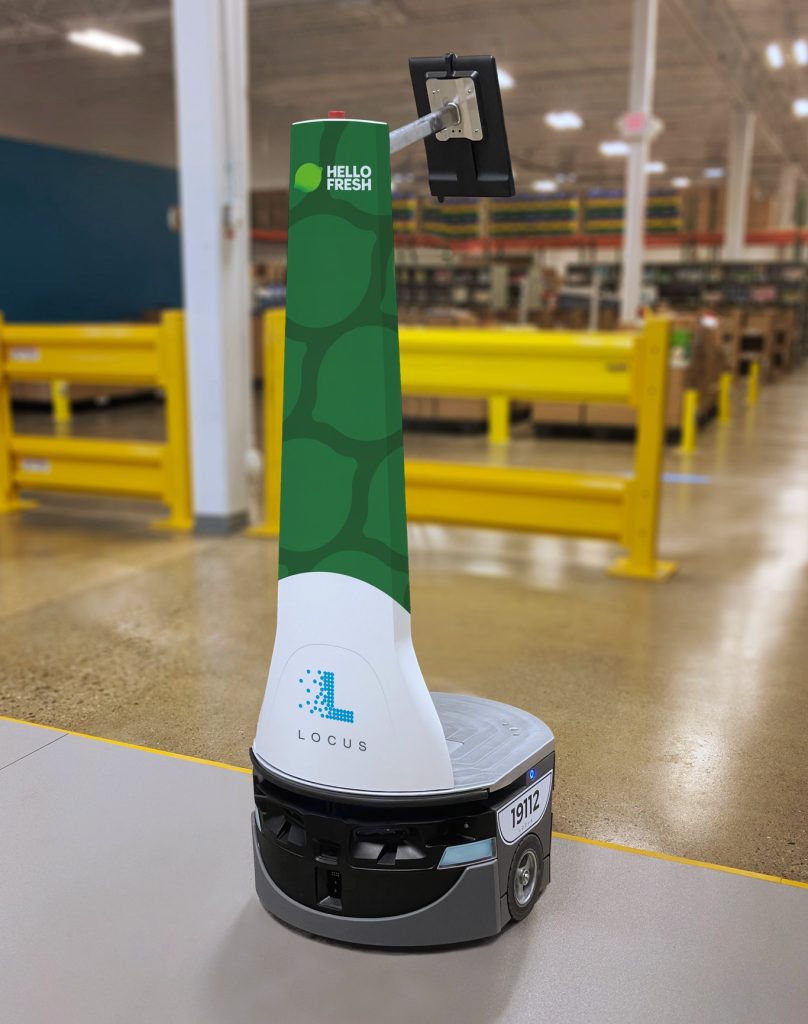
Locus Robotics reported on June 23, 2026 that its HelloFresh deployment expanded chilled SKU capacity from 100 to 500. The account described Origin robots moving orders through a temperature-controlled workflow, with hardware changes supporting work and charging in the cold. The figures are company-reported, but the mechanism is concrete: deployment required the robot to fit the entire operating environment. Locus HelloFresh deployment.
A robot's request for help is an interface, not merely a failure message. If the operator cannot tell what happened or what action is needed, the system transfers confusion along with the task. Autonomous deployment should therefore design the human handoff as carefully as the machine's normal behavior. Clear escalation can prevent a small uncertainty from becoming a prolonged interruption.
RT-1, submitted December 13, 2022, studied learned robotic behavior across varied tasks and conditions. Its focus on generalization is relevant to reducing narrow task boundaries. Even so, research performance does not define the support process a facility needs when the robot reaches its actual limits. RT-1 paper.
Ask for a specific decision
In our analysis, an escalation should identify the task, the observed obstacle, the actions already attempted, and the decision needed. A hypothetical delivery robot blocked by a closed access point should distinguish waiting for permission from needing physical assistance. The operator should not have to reconstruct the entire run from a vague alert.
Open-RMF's project description, accessed October 11, 2026, connects fleet operation with building infrastructure. It highlights why a robot interruption may involve several systems and owners. The useful handoff must reach the party able to resolve the issue, rather than merely the person nearest the machine. Open-RMF project.
Resume from a known state
We would test what happens after help arrives. The robot should confirm the new state, avoid repeating completed work, and explain whether it can continue. That recovery sequence belongs in deployment acceptance. Human support and autonomy are not mutually exclusive: the practical objective is a system that handles routine work independently and returns exceptions in a form people can resolve efficiently.
The handoff is where the promise becomes measurable
A mobile robot’s journey ends at a physical location, but the business process continues. The next worker or machine needs the correct order, in the correct state, with enough information to proceed. An arrival that creates confusion, waiting, or rework is not a successful handoff simply because the navigation system reached its target.
Cold storage makes those dependencies easier to see. The machine’s battery and charging behavior matter alongside route planning. The order’s identity matters alongside its position. A deployment must preserve both physical flow and information flow. Failure in either can interrupt work even when the robot itself remains mechanically capable.
Symbotic is pursuing the wider coordination layer
The July ARMS acquisition announcement described software intended to match work with appropriate resources and manage disruptions. Symbotic positioned the combination around the warehouse as a whole. That strategy addresses the same boundary from another direction: the useful output of a robot depends on the readiness of the people and systems that receive it. Symbotic acquires ARMS Innovations.
A task boundary must be shared
The RT-1 research below explores learned task execution, while Open-RMF addresses coordination with fleets and infrastructure. In deployment, these capabilities meet at a shared definition of completion. The robot, scheduler, and receiving process need to agree that the intended transfer actually occurred. A status message and a physical object cannot be allowed to drift apart unnoticed.
Consider a generic order movement. The robot can report arrival before unloading finishes, or the receiving station can be unavailable after the route was assigned. A robust system distinguishes those states rather than treating them as one event. The value of autonomy is that the routine sequence can proceed with fewer interventions; that requires the sequence to remain legible when it does not proceed routinely.
Hardware adaptation is part of the story
The HelloFresh account is useful because it describes modifications tied to a particular environment rather than suggesting that a standard robot works unchanged everywhere. That is often what deployment means: retain a reusable platform while adapting the pieces that interact with the site. The resulting capability is neither a laboratory prototype nor a universal solution. It is an engineered fit to a defined operation.
The limitation of a vendor case study is that it selects the story and the measures. Reported capacity gains do not independently establish how much came from the robots, the workflow redesign, or other changes. A fuller assessment would examine the baseline, interruptions, and the work performed by people alongside the fleet. Those questions do not negate the deployment; they define what can be concluded from the available evidence.
For frontier robotics, this is a more durable story than a single impressive maneuver. The system must deliver the right object and information into the next stage repeatedly, under the conditions that the site actually imposes. The handoff is where autonomy becomes part of an operation rather than an isolated machine capability.
The research context
RT-1’s December 2022 research demonstrated learning across multiple physical tasks using a shared control model. The deployment lesson is that task breadth and workflow completion are separate dimensions. A robot may know several useful actions while the surrounding operation lacks a reliable way to request them, confirm their completion, or handle interruption. The handoff closes that gap. It makes the result available to the next participant and preserves enough state for the process to continue. That is why a modest robot with a dependable interface can be valuable in a complex operation. The business outcome depends on the chain of completed work, not only the sophistication of the policy inside one link. Original research source.
Sources & evidence
This archive preserves its original editorial date. Sources describe the events and announcements discussed; they do not establish today’s status.